Bermondsey Street skip alternative rubbish removal Southwark: a practical guide for busy homes and businesses
If you live, work, or manage a property near Bermondsey Street, you already know the awkward bits: tight pavements, busy traffic, limited loading space, and the simple fact that a skip can be more trouble than it is worth. That is where Bermondsey Street skip alternative rubbish removal Southwark comes in. Instead of waiting around for a skip permit, finding room for a metal container, and worrying about access, you can use a flexible clearance service that collects waste quickly and gets it sorted properly. It is a neater solution, frankly, and often a calmer one too.
This guide explains how the service works, who it suits, what it can remove, and how to choose the right approach without overpaying or cutting corners. If you are comparing options, you may also find it useful to review pricing and quote guidance alongside the practical details below.
Truth be told, most people do not want a long lecture about waste management. They want the job done, safely, and without the street looking like a building site by tea time. Fair enough.
Expert summary: For properties on or near Bermondsey Street, skip alternatives are often the better fit when access is tight, waste is mixed, or you need collection with less disruption. The key is choosing a provider that handles lifting, sorting, transport, and disposal responsibly.
Table of Contents
- Why Bermondsey Street skip alternative rubbish removal Southwark matters
- How Bermondsey Street skip alternative rubbish removal Southwark works
- Key benefits and practical advantages
- Who this is for and when it makes sense
- Step-by-step guidance
- Expert tips for better results
- Common mistakes to avoid
- Tools, resources and recommendations
- Law, compliance, standards, or best practice
- Options, methods, or comparison table
- Case study or real-world example
- Practical checklist
- Conclusion
- Frequently asked questions
Why Bermondsey Street skip alternative rubbish removal Southwark matters
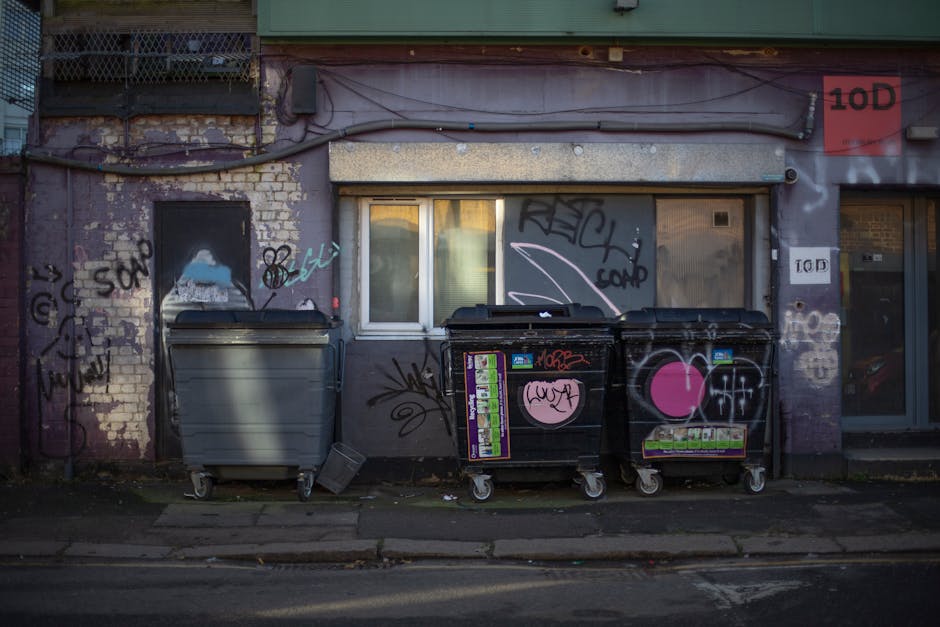
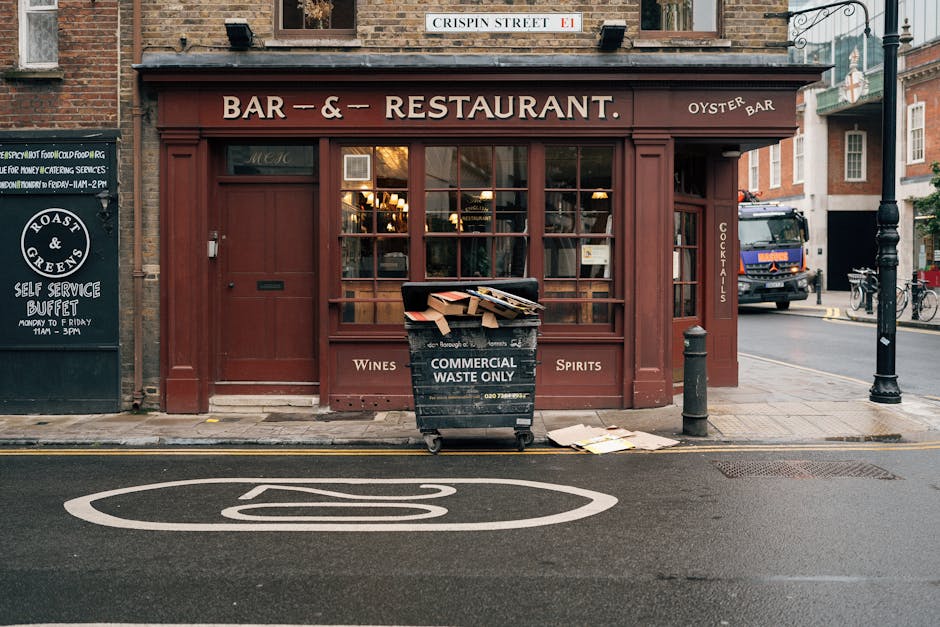
Bermondsey Street has a particular character. It is lively, built-up, and often busy with a mix of residents, offices, hospitality venues, studios, and independent shops. That is lovely for the area, but it creates real headaches for waste clearance. A skip may work brilliantly on a wide residential drive in the suburbs. On Bermondsey Street, not so much.
The main issue is access. Skips need space. They may need a permit if they are placed on the public highway. They can sit there for days. That is fine when you have a front garden and a clear road, but less ideal when parking is tight and neighbours, deliveries, and pedestrians are all moving through the same space. A skip alternative rubbish removal service reduces that friction because the collection is handled by a team that loads, removes, and leaves the area clear again in a shorter window.
It also matters because waste is rarely simple. A flat clearance can include furniture, broken appliances, old carpet, packaging, and a few awkward bits that do not fit neatly into a container. A house move can produce a surprising amount of clutter. One minute you are sorting a wardrobe, the next you are staring at three black bags, a lamp, and a chair with one wobbly leg. You know the sort of thing.
For local residents and businesses, that flexibility is often the difference between "let's deal with this next month" and "right, let's just get it sorted now." And yes, now usually feels better.
How Bermondsey Street skip alternative rubbish removal Southwark works
The service is generally straightforward. You describe what needs to go, share access details, and arrange a collection time. The team arrives, assesses the load, removes the rubbish, and takes it away for sorting and disposal. In many cases, the collection can be completed much faster than arranging, filling, and removing a skip.
There are a few common working methods:
- Man-and-van collection: A team arrives with a vehicle and loads items directly.
- Same-day or next-day clearance: Useful when you are under time pressure or have a last-minute end-of-tenancy deadline.
- Partial clearances: Ideal when you only want certain bulky items removed, not a full property cleared.
- Full room or property clearances: Better for renovation, probate, bereavement, or long-overdue decluttering.
The best providers will ask sensible questions up front: how much waste, what type, whether there are stairs, whether access is shared, and whether any items need special handling. That is not being fussy. It is how you avoid surprises on the day.
You should also expect a conversation about sorting. Responsible rubbish removal is not just about "taking it away." It is about separating reusable, recyclable, and residual waste so that disposal is handled properly. If sustainability matters to you, a provider with a clear approach to recycling and sustainability is worth a closer look.
Key benefits and practical advantages
People often start by comparing price, which is understandable. But the practical benefits of a skip alternative go beyond the headline number. Sometimes it is about saving time. Sometimes it is about avoiding a headache. Often it is both.
1. Less disruption on a busy street
On Bermondsey Street, keeping pavements and loading spaces usable matters. Skip alternative collection is less intrusive because the waste is removed in one visit rather than sitting outside for days. That can be especially helpful for businesses that cannot afford their frontage to look cluttered.
2. No need to manage a skip yourself
With a skip, you still have to think about placement, access, and how quickly it fills up. With rubbish removal, the lifting is handled for you. For anyone clearing from an upper floor, a basement, or a property with awkward stairs, that is a big relief. Your back will probably thank you too.
3. Better for mixed loads
Many real-life clearances are mixed. A few bits of furniture, general household rubbish, packaging from a renovation, perhaps some garden waste if there is a rear courtyard. Skip alternatives tend to be more adaptable in these situations, especially when the job is too small for a large skip but too awkward for a car boot run to the tip.
4. Often faster from quote to completion
Skip hire can be useful, but it is not always quick. A collection service can often move from quote to removal with much less waiting around. If you are managing a move-out date, a letting turnaround, or a kitchen refit, that speed can matter a lot.
5. Cleaner finish
After the load is taken away, the space is left clearer. No container lingering outside. No temptation for others to drop extra rubbish in your skip. No period of "we'll just keep it there for a few more days." The site looks tidy again, which is a small thing until it is not.
Who this is for and when it makes sense
This kind of service is not for one type of customer. It suits anyone who needs rubbish removed quickly, neatly, and without the complications of skip hire.
Homeowners and tenants
If you are decluttering a flat, emptying a spare room, or clearing out after a move, a skip alternative can save you from the puzzle of "where on earth would a skip even go here?" It is especially useful for maisonettes, conversions, and properties with narrow access.
Landlords and letting agents
End-of-tenancy clearances often need speed and common sense. You may be dealing with left-behind furniture, general waste, or a property that needs a reset before photos, repairs, or re-listing. A flexible rubbish removal team can clear the space faster than a skip that sits outside waiting to be filled.
Small businesses and studios
Bermondsey Street has a lot of creative and commercial spaces where the contents change frequently. Old shelving, packaging, stockroom clutter, office furniture, and exhibition leftovers all add up. You need a service that works around business hours and does not become part of the problem.
Renovation and light refurbishment projects
For bathrooms, kitchens, and smaller refits, skip alternatives are often more suitable than a large skip. They are helpful when you are generating waste in bursts rather than all at once. A pile of ripped-out units and broken tiles can disappear in a single collection without taking over the street.
People handling sensitive clearances
Some clearances are not just about rubbish. They involve personal belongings, memories, or simply a bit too much life stacked in one place. In those cases, a quieter, more respectful service tends to feel better. That human element matters. Quite a lot, actually.
Step-by-step guidance
If you want the smoothest possible experience, a little preparation goes a long way. Here is a sensible way to approach it.
- List what needs removing. Be specific. A chair is not the same as a sofa. Mixed waste is not the same as a single-item collection.
- Check access. Note stairs, narrow doorways, parking constraints, and whether the collection point is inside the property, in a rear yard, or at street level.
- Separate anything you want to keep. It sounds obvious, but people often forget one drawer, one folder, one box of photos. Happens all the time.
- Ask about restricted items. Some items may need separate handling, so it is better to flag them early.
- Request a clear quote. Make sure the estimate explains what is included, what may change the price, and whether labour, loading, and disposal are covered.
- Confirm the collection window. If you need a tight schedule, say so. Morning, lunchtime, and evening collections can all feel very different in a busy area.
- Prepare the load if asked. Some services will handle everything from inside the property. Others work faster if items are grouped together first.
- Inspect the area after removal. Check that nothing has been missed and that the access route is clear.
That final check takes seconds, not minutes, and it saves annoying follow-up calls. Small thing, big difference.
Expert tips for better results
There are a few practical habits that make rubbish removal go more smoothly. These are the kinds of details that save time, money, and a bit of stress.
- Photograph the waste before you book. It helps avoid confusion and gives a clearer basis for the quote.
- Bundle similar items together. For example, keep cardboard with cardboard and furniture with furniture where possible.
- Allow a little buffer time. Street access in Southwark can shift with deliveries, traffic, and busy periods. Life happens.
- Ask about recycling. Not every item should end up in residual waste, and a good provider should be transparent about how loads are sorted.
- Be honest about volume. Underestimating waste is the quickest way to create a pricing mismatch. Nobody enjoys that conversation.
- Use a provider that explains its policies clearly. If you want reassurance on safety, public liability, and operational standards, review pages like insurance and safety information and health and safety guidance.
A small but useful tip: if you are clearing a property after a renovation, leave yourself one box for anything you are unsure about. Otherwise those "I might need this" items will get lost in the scramble. They always do.
Common mistakes to avoid
Most rubbish removal problems are preventable. The tricky bit is that they usually look minor until the collection crew arrives and everyone is suddenly doing mental maths in the doorway.
Booking on price alone
The cheapest quote is not always the best value. A low price can hide limits on labour, access, weight, or item type. Make sure you understand what is actually included.
Not checking access properly
A narrow staircase, limited parking, or a loading bay that is not available at the right time can slow the job down. If the team needs to carry items further than expected, that can affect timing and cost.
Mixing in items you should have flagged
Some waste needs special handling. If you are unsure, ask before the visit. It is better to have one clear answer than three different assumptions.
Leaving sorting until the last minute
If you want to keep documents, valuables, charger cables, or spare keys, set them aside early. Once the clear-out starts, things disappear into boxes faster than you think.
Forgetting to ask about disposal standards
A reputable provider should be clear about responsible disposal and recycling. If the answers sound vague, that is a warning sign. Not always a deal-breaker, but worth noticing.
Tools, resources and recommendations
You do not need specialist equipment to prepare for a collection, but a few simple tools help.
- Labels or sticky notes: Useful for marking what stays and what goes.
- Heavy-duty bags or boxes: Helpful for smaller mixed items.
- Gloves: Good for dusty lofts, damp storage areas, and old furniture.
- Measuring tape: Handy if you want to estimate how much bulky waste you have.
- Camera phone: A quick set of photos makes quoting easier and more accurate.
For company information and service confidence, you may want to read about the team and check the website's terms and conditions before booking. If you are comparing payment methods or want reassurance on transaction handling, the payment and security page is worth a look. These pages are boring in the best possible way.
If you are making a decision after a messy week, try not to overcomplicate it. Take a few photos, write a simple list, and ask for a clear collection plan. That usually gets you most of the way there.
Law, compliance, standards, or best practice
Waste removal in the UK comes with responsibilities, even for small household jobs. You do not need to become a compliance expert, but you should know the basics so you can book with confidence.
The main principle is straightforward: rubbish should be collected, transported, and disposed of responsibly. A reputable provider should separate items where practical, keep clear records internally, and use lawful disposal routes. As a customer, your job is simpler but still important. You should be honest about what the waste includes and avoid mixing in hazardous or restricted materials without warning.
Best practice also includes safe manual handling, safe access management, and considerate behaviour on site. In a dense area like Southwark, that means being careful with communal entrances, shared hallways, and pavements where people are passing through. Quiet professionalism matters more than people think.
If you want to understand how a company approaches these issues, review its complaints procedure, modern slavery statement, and accessibility statement. Those pages are not just formalities; they help show how the business operates behind the scenes.
One more thing. A good operator should be insured appropriately and should work with clear safety practices. That is especially reassuring where there are stairs, confined spaces, or shared access points. You do not want guesswork with heavy lifting. Nobody does.
Options, methods, or comparison table
If you are deciding between skip hire and a skip alternative, the right answer depends on access, volume, and how much effort you want to put in. Here is a simple comparison.
| Option | Best for | Advantages | Limitations |
|---|---|---|---|
| Traditional skip hire | Larger clearances with easy space for placement | Good for ongoing DIY work, familiar process | Needs space, may need a permit, can be disruptive |
| Skip alternative rubbish removal | Busy streets, flats, mixed waste, quick turnarounds | Flexible, fast, labour included, less street clutter | May be less suitable for very large builder's waste volumes |
| Self-haul to disposal site | Small loads and people with suitable transport | Can work for very small jobs | Time-consuming, physically demanding, multiple trips may be needed |
For Bermondsey Street specifically, the second option is often the sweet spot. It reduces disruption without making you do all the lifting. In practice, that is a pretty persuasive combination.
Case study or real-world example
Here is a realistic example. A small design studio near Bermondsey Street was doing a tidy-up before new furniture arrived. They had a broken desk, some archive boxes, packaging from deliveries, a worn filing unit, and two office chairs that no one wanted to claim as "temporary seating" any longer. Not a huge amount, but awkward enough that a skip would have felt excessive.
The team sent photos, got a clear quote, and booked a collection slot that avoided the busiest part of the day. The removal crew carried everything out in one visit, checked the floor and access area, and left the room ready for the new desks to be assembled. No container outside. No permit stress. No half-finished street scene making the office look shut.
That kind of job is common, and it shows why skip alternatives make sense for smaller urban properties. It is not glamorous, but it is efficient. And efficiency, on a street like this, is worth a lot.
Practical checklist
Use this checklist before you book. Simple, but effective.
- Identify exactly what needs removing.
- Separate keep items from waste items.
- Take photos from more than one angle.
- Check stairs, parking, and doorway widths.
- Flag heavy, awkward, or unusual items early.
- Ask whether labour, disposal, and recycling are included.
- Confirm the collection day and time window.
- Read the provider's service terms and safety information.
- Keep access clear on the day.
- Do a final walk-through after the clearance.
If you are in a hurry, just complete the first five. That alone cuts out a lot of avoidable confusion.
Conclusion
Bermondsey Street skip alternative rubbish removal Southwark is really about making waste clearance fit the realities of a busy inner-London street. It is flexible, less disruptive, and often easier to manage than a skip, especially when access is tight or the waste is mixed. For flats, studios, shops, and smaller renovation projects, it can be the cleaner, calmer way to get things moving again.
Choose carefully, be clear about access and waste type, and look for a provider that treats safety, disposal, and recycling seriously. Do that, and the whole process becomes much less of a hassle. Which, let's face it, is exactly the point.
If you want a smoother next step, start with a clear description of your load and ask for a transparent estimate. You will usually know very quickly whether the service is the right fit.
Get a free quote today and see how much you can save.
For a helpful next step, you can also review pricing and quotes or contact the team to discuss your clearance in more detail.
Frequently Asked Questions
What is a skip alternative for rubbish removal?
A skip alternative is a rubbish removal service that collects waste directly, usually with a team and vehicle, instead of leaving a skip outside your property. It is often better for tight streets, flats, and quick clearances.
Is Bermondsey Street skip alternative rubbish removal Southwark better than skip hire?
It depends on your situation. If you have limited space, need help with loading, or want a faster and less disruptive option, rubbish removal is often the better choice. A skip may still suit larger DIY jobs with easy access.
How quickly can rubbish be removed?
That varies by provider and schedule, but many collections can be arranged faster than skip hire. If timing matters, say so early and ask about available slots.
Can mixed household and business waste be collected together?
Often yes, provided the provider accepts the types of waste involved. It is best to describe the load clearly so the team can advise whether anything needs separate handling.
Do I need to sort the rubbish before collection?
Not always, but basic sorting helps. Keep valuables, documents, and items you want to retain well away from the clearance pile. Grouping similar waste can also make the job smoother.
Will the team take items from inside the property?
Many rubbish removal services do. It is one of the main advantages over a skip. Still, confirm this when you book, especially if the property has stairs or awkward access.
Is this suitable for office clearances on Bermondsey Street?
Yes, especially for smaller offices, studios, and shop back rooms. It works well when you need desks, chairs, packaging, or general clutter cleared without blocking the street for days.
What should I do with items I am not sure about?
Ask before collection. If something may need special treatment, it is better to mention it early than to sort it out at the doorway. That avoids delays and awkward surprises.
How do I know the rubbish will be disposed of responsibly?
Look for clear information about recycling, safety, and company policies. A trustworthy provider should be open about how waste is handled and should not be vague when you ask sensible questions.
Are there any items that usually need extra care?
Yes. Bulky, heavy, or unusual items often need more planning. If an item is difficult to lift, fragile, or potentially restricted, flag it early so the team can prepare properly.
Why does access matter so much in Southwark?
Because many properties have limited parking, shared entrances, or narrow routes. On a street like Bermondsey Street, access can affect timing, safety, and whether a skip is practical at all.
How can I compare quotes properly?
Compare what is included, not just the headline price. Check labour, disposal, item type, access assumptions, and whether recycling or extra loading time is covered. A slightly higher quote can still be better value.
Where can I find more company information before booking?
You can review the company's about us page, recycling and sustainability information, and insurance and safety details to get a clearer picture before you decide.
And if you are still weighing it all up, that is fine. Take a breath, check the space, and choose the option that makes the least mess in your day. Sometimes the simplest route is the smartest one.