
Complaints Procedure for House Clearance Southwark
This document sets out the formal complaints procedure for clients and third parties who wish to raise concerns about a house clearance in Southwark, rubbish removal or related clearance services. It describes how complaints are received, investigated and resolved by our clearance company operating across the service area. The policy is intended to be clear, accessible and impartial while remaining proportionate to the nature of the issue.Scope and purpose
This procedure applies to all aspects of house clearance services including collection, disposal, recycling, hazardous waste handling and customer service. It covers complaints from householders, estate representatives, landlords and members of the public who are affected by the work of the clearance team. The aim is to deliver a fair outcome and, where appropriate, suggest remedies and improvements to service delivery. Complaints can relate to:
- failure to meet agreed times or appointment windows
- damage to property during clearance
- perceived failure to comply with waste regulations
- poor conduct or safety concerns by operatives
- other service shortfalls such as incorrect billing
How to submit a complaint
Complaints should be made in writing to ensure an accurate record, and may be submitted via a written statement, email or an online form where available. Include key details such as the date and location of the incident, names of operatives where known, and any supporting evidence like photographs. A clear chronology helps to speed up investigation and resolution.On receipt, complaints will be acknowledged promptly and assigned a unique reference number. We will confirm the scope of the complaint and the expected timescales for investigation. Where immediate safety or environmental risks are identified, initial action will be taken without delay while the full investigation proceeds.
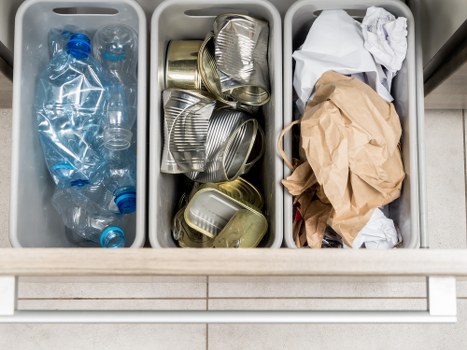 Initial assessment and information gathering: an investigator will collect relevant records including job sheets, waste transfer documentation, crew notes and photographic evidence. Witness statements will be sought where appropriate. The investigator may contact the complainant to clarify points and to outline the next steps.
Investigations aim to be thorough and impartial. They will seek to determine whether operational procedures, legal requirements and contractual commitments were followed. If the complaint concerns alleged breaches of waste duty of care or hazardous waste handling, the matter will be escalated internally and may be reported to the relevant regulatory authority in accordance with statutory obligations.
Decision and outcomes: once evidence is evaluated, a formal decision will be issued within the published timescale. Possible outcomes include an explanation of the events, a formal apology, remedial action such as repair or replacement where appropriate, a refund, or mitigation measures to prevent recurrence. Where necessary, disciplinary action may be taken against staff.
Timescales will vary by complexity but we aim to provide an initial response within 5 working days and a full outcome within 20 working days of acknowledgement. If further time is needed, we will notify the complainant with reasons and an updated completion date.
Record keeping and confidentiality: all complaints and supporting materials will be retained in accordance with data retention policies and applicable privacy laws. Records enable trend analysis to improve rubbish removal and house clearance operations across the service area and to demonstrate compliance with regulatory requirements. Personal data will be handled in confidence.
Equality and accessibility: the complaints process will be applied fairly to all complainants. Reasonable adjustments will be made to accommodate communication needs, language barriers or disabilities, and alternative formats will be offered when required.
 Appeals and escalation: if the complainant is dissatisfied with the outcome, they can request an internal review by a more senior officer. The review will focus on whether the original investigation was adequate and whether outcomes were proportionate. If the matter remains unresolved and involves regulatory compliance, the complainant may be advised of independent bodies or ombudsmen with jurisdiction to consider the case further.
 Continuous improvement: complaints are used as a source of learning. Statistical summaries, root-cause analyses and corrective action plans are produced to reduce recurrence. Service improvements might include additional staff training, revised operating procedures or better customer communications to enhance reliability of clearance services in Southwark and neighbouring areas.
Legal and regulatory considerations: this complaints policy operates alongside statutory duties for waste management. Where a complaint identifies potential legal breaches, appropriate legal or regulatory steps will be taken without compromising the impartiality of the internal investigation. Any remedial actions will aim to restore compliance and prevent harm to people or the environment.
Monitoring and publication: summaries of complaint trends and anonymised outcomes may be published periodically to demonstrate accountability and to inform the public about how complaints are resolved by the clearance company. This transparency helps maintain trust in local house clearance and rubbish removal services and supports continuous service excellence.