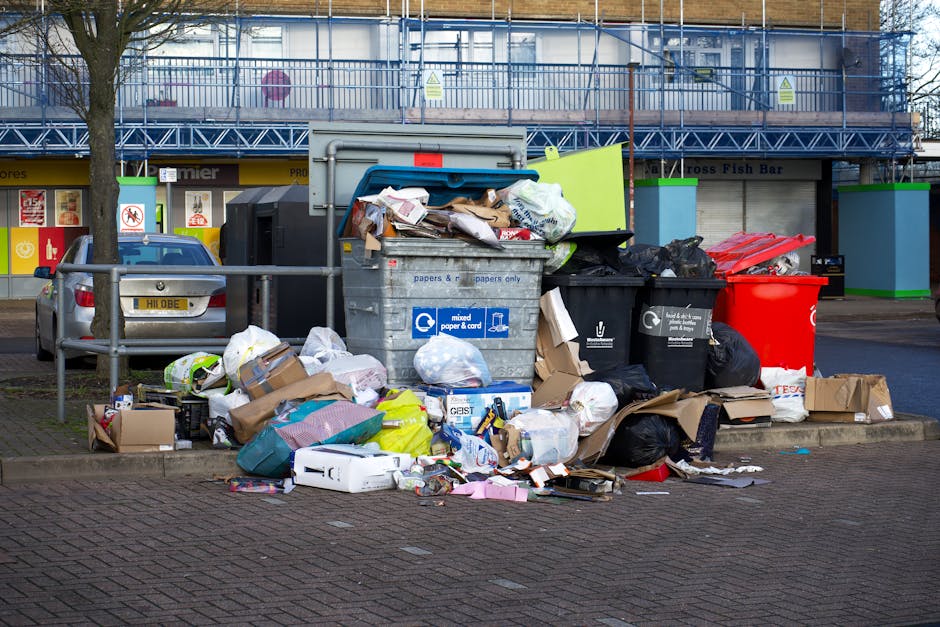
Old Kent Road bulk rubbish clearance tips Southwark: a practical local guide
If you are dealing with a growing pile of furniture, broken fittings, or general household clutter near Old Kent Road, you are probably after a clear, sensible way to get it gone without turning the whole week upside down. That is exactly where Old Kent Road bulk rubbish clearance tips Southwark become useful. The right approach saves time, keeps the property safer and tidier, and helps you avoid the usual headaches: missed collections, access issues, rushed sorting, and waste that somehow seems to multiply overnight.
Whether you are clearing a flat above a shop, a rental between tenants, or a back room that has slowly turned into a storage cave, the basics are the same. Sort properly, separate reusable items, understand what can and cannot go, and choose a clearance method that fits the job rather than forcing the job to fit the method. Sounds simple. In practice, the details matter a lot.
Below you will find a grounded, local guide to bulk rubbish clearance in Southwark, with practical steps, compliance pointers, comparison advice, and a few real-world tips that make the process smoother. No fluff, no drama. Just the useful stuff.
Why Old Kent Road bulk rubbish clearance tips Southwark Matters
Old Kent Road sits in a busy part of Southwark, with a mix of homes, businesses, flats, estates, workshops, and constant foot traffic. That makes bulk rubbish clearance a little more involved than just dragging bags to the kerb and hoping for the best. Space is tight. Access can be awkward. Neighbours notice everything. And waste left in the wrong place can become a nuisance very quickly.
Good clearance planning matters for a few reasons. First, it helps you avoid clutter becoming a safety issue. Bulky waste can block hallways, trip people up, or create fire hazards if it is stored badly. Second, it protects your time and budget. If you do not sort items properly before collection, you often end up paying for extra handling or making more than one trip. Third, it helps keep the area looking decent. Anyone who has walked past a pile of unwanted sofas and old MDF panels on a damp London morning knows it does not take long for a tidy job to look messy.
There is also a trust angle here. In a city like London, people are understandably wary of fly-tipping and unlicensed operators. A careful approach to bulk rubbish clearance tells you, your tenants, or your customers that the waste is being handled properly. That matters more than people sometimes realise.
If your project is part of a bigger move, refurb, or end-of-tenancy clean-up, it can help to think of clearance as one part of the wider property reset. For related planning, you may also find it useful to look at house clearance in Southwark, office clearance services, or same-day rubbish removal options depending on how urgent the job is.
How Old Kent Road bulk rubbish clearance tips Southwark Works
In plain English, bulk rubbish clearance is the process of removing large or mixed quantities of waste that are too bulky, awkward, or time-consuming for normal bin collections. That might include furniture, white goods, office junk, refurbishment waste, garden debris, or mixed household items. Sometimes it is a single item. Sometimes it is a property full of stuff. The method changes, but the logic stays the same.
Most clearances follow a simple pattern:
- Assess what needs to go. Separate bulky items, recyclable materials, and anything that may need special handling.
- Check access. Think about stairs, narrow hallways, parking restrictions, loading points, and lift access if you are in a block.
- Choose the right clearance method. This could be a man-and-van collection, a skip, a council route, or a larger planned clearance.
- Prepare the waste. Break down items where sensible, bag loose material, and keep useful items aside for reuse.
- Remove and dispose responsibly. Waste should be transported and processed in line with legal and environmental expectations.
That is the straightforward version. The real-world version often includes surprises: a sofa that will not fit around the turn on the stairs, a bed frame with hidden fixings, a load of damp cardboard that has doubled in size, or a landlord who says, "It was only a few bags," and then opens a cupboard full of old paint tins. To be fair, that happens more often than people admit.
One practical tip is to treat the clearance like a small project rather than a quick chore. Set a start point, decide what counts as rubbish, and define what will be reused, donated, recycled, or disposed of. That little bit of structure saves a lot of faffing.
Key Benefits and Practical Advantages
When bulk rubbish is handled well, the benefits are immediate and very visible. You get space back, but you also get momentum. A cleared room feels easier to clean, decorate, rent, or sell. People tend to underestimate how much mental relief comes from simply seeing the floor again.
Here are the main advantages of a well-planned clearance:
- Faster turnaround: Sorting first means less time spent moving the same items twice.
- Cleaner property presentation: Helpful for viewings, lettings, refurbishments, and end-of-tenancy handovers.
- Lower risk of damage: Careful removal reduces the chance of scuffed walls, broken door frames, or injuries.
- Better recycling potential: Separating wood, metal, cardboard, and reusable furniture improves diversion from landfill where possible.
- Less stress: A planned process is simply calmer than a last-minute scramble on a wet Thursday evening.
There is also a practical financial benefit. If you know what kind of waste you have, you can choose a clearance option that matches the load. That can help avoid paying for a service that is too large, or booking something too small and having to repeat the process. Nobody enjoys paying twice because a wardrobe looked small until it was on the landing.
For properties with repeated clear-outs, it may also be worth aligning waste removal with broader maintenance work. A cleaner site supports quicker decorating, safer access for contractors, and easier tenant transitions. If that applies to you, pages like builders waste removal and end-of-tenancy clearance can help you think through the wider job.
Who This Is For and When It Makes Sense
Bulk rubbish clearance is not just for major house moves. In Southwark, it often makes sense in smaller, more ordinary situations too. A flat above a parade of shops may need a quick furniture removal. A landlord may need post-eviction clearance. A business may be replacing old office desks. A family may be dealing with years of accumulated stuff after a renovation. Real life, basically.
This kind of service or approach is especially useful if you are:
- moving out of a flat or maisonette with bulky items to remove
- preparing a rental property for new tenants
- clearing an office, storage room, or back-of-house area
- dealing with mixed waste after DIY, decorating, or refurbishment
- helping a relative downsize and needing a calm, orderly process
- trying to remove old furniture without damaging the building or common areas
It also makes sense when the job is awkward rather than huge. An armchair, a mattress, a broken wardrobe, and a pile of bags can be more annoying than a full skip because they are bulky but not obviously "one job." In that case, a structured clearance plan usually beats guessing.
Ask yourself two questions: can I move this safely, and can I dispose of it properly without creating a second problem? If the answer to either is no, it is probably time to plan the clearance more carefully.
Step-by-Step Guidance
If you want the process to feel manageable, follow a simple, repeatable system. It does not need to be fancy. It just needs to be clear.
1. Walk the space first
Start with a slow walk-through. Look at every room, hallway, storage cupboard, and outdoor area. Make a rough list of what is going. If the waste is mixed, note which items are bulky, which can be bagged, and which may need specialist handling.
2. Separate by type
Group items into sensible categories: furniture, metal, wood, cardboard, electricals, general rubbish, and reusable items. This helps with loading, recycling, and disposal planning. If you leave everything in one heap, it becomes more work later. A lot more, in truth.
3. Check what needs special care
Some items should not be treated like standard rubbish. Electrical equipment, fridges, freezers, paint, chemicals, and certain building materials may need separate handling. If you are unsure, check before moving them. A small mistake here can create a real nuisance.
4. Clear access routes
Open doors, move loose obstacles, protect corners if necessary, and think about how items will get out. In older buildings or narrow stairwells, this step matters more than people expect. A bulky item is often less of a problem than the route out.
5. Decide what happens to reusable items
If something is still usable, keep it aside early. You may be able to donate, sell, or pass it on. That is not just environmentally sensible; it also reduces the amount of material that needs collecting. A perfectly good table should not end up in the same pile as broken plasterboard, if it can be avoided.
6. Choose the right removal option
Once you know what you have, choose the most suitable method. Small mixed loads may suit a van-based clearance. Bigger refurb jobs may suit a skip or staged removal. If timing is tight, a booked clearance window can be the calmer option.
7. Confirm the finish point
Before the job starts, be clear about what "done" looks like. Do you want the space swept? Are there items behind a shed or in a loft? Is the job just removal, or is there tidying too? Clarity up front avoids awkward surprises at the end.
Expert summary: The smoothest bulk clearance jobs are usually the ones where sorting, access, and disposal are decided before anything is lifted. That small bit of planning saves time, protects the property, and makes the whole thing feel far less chaotic.
Expert Tips for Better Results
There are a few small habits that make a big difference. These are the sort of things that experienced crews and organised property managers tend to do without making a song and dance about it.
- Take photos before you start. Useful for planning, quotes, and tracking what was removed.
- Measure oversized items. A wardrobe that looks manageable may be awkward at the landing bend.
- Stack in reverse order. Put the hardest items to access nearest the exit if you can do that safely.
- Use strong bags for mixed light waste. Weak bags tear, and then you are dealing with tiny bits everywhere. Nobody wants that.
- Keep a "donation" zone. Even a small box or corner for reusable items can make the clearance feel less wasteful.
- Think about parking and loading. On Old Kent Road, access planning is not optional. It is the job.
Another good habit is to clear in layers. Start with loose waste and smaller items, then move the larger pieces, then finish with a final sweep and check. That rhythm works well in flats, shops, and shared buildings because it keeps the area safer as you go.
If you are dealing with regular commercial waste alongside a one-off clearance, it may help to review commercial waste removal support and recycling services so the long-term setup is better, not just this one job.
Common Mistakes to Avoid
Most clearance problems are avoidable. That is the slightly annoying part, because it means the mess was often preventable with a little more planning. Still, better to know now than learn the hard way.
- Leaving sorting until the day of collection. That usually leads to slower removal and higher stress.
- Assuming all bulky items are straightforward. Sofas, mattresses, and white goods often need more thought than expected.
- Forgetting access restrictions. If a van cannot park nearby, everything gets harder.
- Mixing special waste with general rubbish. Electrical items, chemicals, and certain materials may need separate treatment.
- Ignoring neighbour impact. Noise, blocked corridors, and overhanging waste can create avoidable friction.
- Choosing a clearance method too small for the job. That creates delays and repeat costs.
- Not checking who is handling the waste. If you are using a contractor, make sure they work responsibly and can explain how waste is managed.
A common one is underestimating time. People think they need "half an hour," and then find themselves still carrying bits and pieces an hour and a half later. It happens. Better to be honest about the size of the job from the start.
Tools, Resources and Recommendations
You do not need a warehouse full of equipment to manage bulk rubbish properly, but a few practical tools make life easier.
| Tool or resource | Why it helps | Best used for |
|---|---|---|
| Heavy-duty rubble bags | Reduces tearing and spillage | Light mixed waste, small clear-outs |
| Protective gloves | Better grip and safer handling | General sorting and lifting |
| Furniture sliders or trolleys | Makes movement easier indoors | Large items, floors, tight spaces |
| Measuring tape | Helps avoid access problems | Sofas, wardrobes, appliances |
| Labels or marker pens | Keeps piles organised | Sorting for reuse, recycling, disposal |
| Photographs on a phone | Useful for quotes and records | Before-and-after planning |
As a resource, local knowledge matters too. Old Kent Road is busy, and Southwark properties vary a lot in layout. A conversion flat with narrow stairs needs a different plan from a ground-floor office unit. That sounds obvious, but it is often where projects go off track. If you want to see how related services fit together, rubbish removal in Southwark and furniture disposal are useful next reads.
One small recommendation: do not leave loose cardboard, broken packaging, or bagged waste in shared hallways overnight unless you are sure it is allowed and safe. In London weather, even a light drizzle can turn a neat pile into a soggy frustration by morning.
Law, Compliance, Standards, or Best Practice
For waste in the UK, the main thing is to make sure it is handled responsibly and passed to appropriate facilities. If you are organising clearance yourself, you should be careful about where waste goes and who takes it. If you are hiring help, it is sensible to use a provider that can explain their disposal process clearly.
A few good-practice points apply in most cases:
- Avoid fly-tipping at all costs. Waste left in the wrong place can become your problem, even if someone else moved it.
- Keep evidence of legitimate disposal where practical. A receipt, job record, or collection note can be useful.
- Separate hazardous or specialist items. Paint, chemicals, gas canisters, and some electricals may need different handling.
- Do not obstruct shared access routes. Hallways, fire exits, and communal areas should stay clear.
- Follow building or landlord rules. Flats and managed blocks often have their own waste and access procedures.
If you are unsure about a particular item, pause and check rather than guessing. That is especially true for anything sharp, leaking, heavy, or potentially hazardous. A careful five-minute check is much better than a messy problem later.
For landlords, agents, and business owners, good waste practice also supports a more professional finish. A clean handover, a safe communal area, and proper disposal records all help reduce friction. It is not glamorous, but it matters.
Options, Methods, or Comparison Table
There is no single "best" clearance method for every job. The right choice depends on access, waste type, urgency, and how much you want to do yourself. Here is a simple comparison.
| Method | Best for | Strengths | Limitations |
|---|---|---|---|
| DIY trips to a facility | Small loads, flexible schedules | Full control, useful for a few items | Time-consuming, transport required, not ideal for bulky loads |
| Skip hire | Refurb waste, ongoing clear-outs | Good for larger volumes, easy to fill over time | Needs space and permits may be needed depending on placement |
| Man-and-van clearance | Mixed bulky waste, quick removals | Fast, flexible, often easier in tight urban areas | Less suited to very large volumes spread over several days |
| Phased clearance | Big properties, complex jobs | Lets you sort carefully and work room by room | Can take longer overall |
For many Old Kent Road properties, a van-based clearance or a phased plan is often more practical than trying to force everything into one rigid approach. That said, a refurb with lots of rubble or stripped-out material may be better suited to a skip. The trick is matching the method to the load, not the other way round.
Case Study or Real-World Example
Here is a typical example from a Southwark-style property scenario. A two-bedroom flat near Old Kent Road needed clearing after a tenancy ended. The rooms held a broken bed frame, two wardrobes, a sofa, a stack of damp cardboard, mixed bags, and a few electrical bits. Nothing dramatic, but enough to make the place feel cramped and awkward.
The first step was a quick walk-through to separate reusable items from rubbish. One table was still in decent shape, so it was kept aside. The sofa and wardrobe were measured before moving, which turned out to be helpful because the hallway turn was tighter than expected. A couple of items were dismantled, and the lighter waste was bagged properly instead of being moved loose. That saved time, and it also reduced mess in the communal stairwell.
What made the job smoother was not speed. It was order. The team knew what was leaving, what was staying, and what needed careful handling. There was less backtracking, fewer surprises, and no drama in the corridor. Small win, really, but those are the jobs people remember because they go smoothly.
The property was left clear enough for cleaning and redecoration the same day. Not perfect magic, just decent planning and a clear route through the clutter.
Practical Checklist
Use this before arranging your clearance. It keeps the job tidy and the decisions easier.
- Identify all bulky items that need removing
- Separate reusable, recyclable, and general waste
- Check for electrical, hazardous, or specialist items
- Measure large furniture and note tight access points
- Clear hallways, stairwells, and loading paths
- Decide whether you need same-day or scheduled removal
- Confirm whether parking or building access needs arranging
- Bag loose waste securely
- Keep a record or photo log of what is being removed
- Make sure the finish point is agreed before the work begins
If you can tick those off, you are already ahead of most rushed clearances. Honestly, that is half the battle.
Conclusion
Bulk rubbish clearance around Old Kent Road does not need to become a stressful, drawn-out job. With the right plan, a clear sort, sensible access preparation, and a realistic choice of removal method, you can clear space quickly and avoid the common traps that slow people down. The key is to treat the job as a proper process, not a last-minute lift-and-hope mission.
For Southwark properties in particular, the best results usually come from local awareness: narrow access, shared entrances, parking pressure, and the need to keep things tidy for neighbours and passers-by. If you keep those realities in mind, the whole thing becomes far more manageable. And a lot less sweaty, which is never a bad thing.
Get a free quote today and see how much you can save.
When the clutter is gone, even a small room can feel like it has taken a breath again. That is a good feeling, truth be told.
Frequently Asked Questions
What counts as bulk rubbish in Southwark?
Bulk rubbish usually means large or awkward items that are too big for normal household bins. That can include furniture, mattresses, white goods, mixed household waste, or renovation leftovers.
How do I know whether I need a skip or a clearance service?
If the waste will be loaded over time and you have suitable space, a skip can work well. If you need quick removal, have awkward access, or want someone to lift and load for you, a clearance service is often more practical.
Can I leave bulky items on the pavement for collection?
Not usually without arranging the correct collection method. Leaving items out without proper planning can cause obstruction, complaints, or enforcement issues. It is better to check the right route first.
What should I do with old electrical items?
Electrical items should be separated from general rubbish. They often need specific handling because of components and recycling requirements. Keep them aside and ask how they will be processed.
How do I prepare a flat for bulk rubbish clearance?
Sort the waste, measure large items, clear access routes, protect walls or corners if needed, and decide what is being removed before anyone arrives. A bit of prep makes a big difference in flats, especially with narrow stairs.
Is it worth breaking furniture down first?
Often yes, if it can be done safely. Dismantling wardrobes, bed frames, or tables can make loading easier and reduce the risk of damage in tight spaces.
What if I have a mix of rubbish and reusable items?
Separate them before collection if possible. Reusable items can sometimes be donated, sold, or kept for another use, which reduces waste and makes the clearance more efficient.
How long does a typical bulk clearance take?
It depends on access, volume, and sorting. A small mixed load may be completed quickly, while a full property clearance or refurbishment job can take much longer. Access is often the hidden time factor.
Can bulk rubbish clearance help with end-of-tenancy work?
Yes. Clearing bulky waste before cleaning and repairs makes handover easier and often speeds up the whole turnaround. It is a useful first step in many rental resets.
What should I ask before hiring someone to remove waste?
Ask what they will take, how they handle recycling, whether special items are accepted, how access is managed, and what happens if the load turns out to be bigger than expected. Clear answers up front are a good sign.
How can I avoid fly-tipping problems?
Use a legitimate disposal route, keep a record where sensible, and never hand waste to someone who cannot explain where it is going. If a price looks too good to be true, it often is.
What is the best first step if the job feels overwhelming?
Start with one room or one category of waste. Do not try to clear everything at once. A smaller, organised start is usually what gets a big job moving.
For readers looking beyond the immediate clearance, it may also help to explore loft clearance, garage clearance, or probate clearance support if the situation is part of a larger property project.